

Men at War
WARFARE film review

WARFARE Review - The bottom line: see it in theaters now for the bombast and tension-building pauses to build to maximum effect. A great group ensemble effort.
“What is this war at the heart of nature?” the opening voiceover intones in The Thin Red Line (1998). A crocodile slips into murky water to wait for a victim, a tree is strangled to death by vines from another. Death is everywhere if you’re willing to look up from your phone.
Dick Cheney orchestrated the Iraq invasion in 2003. He is my generation’s Robert McNamara, but without the pomade. Many in the administration and across the government pushed America into an unwinnable conflict, making sure many American young men could come home wounded, shell shocked, or dead. For what? Certainly not to stop WMDs.
In a civil war, everyone loses.
Just ask Alex Garland, who invited us to ponder as much last year, and continues the conversation with co-director Ray Mendoza in WARFARE, a powerful story of bravery under pressure but without the moralizing. The film is a bombastic experience and must be seen in the theater to get the full impact - don’t wait for this one at home.
This film is much simpler than Garland’s Civil War (2024) which helps it say more with its smaller scope of action. The story gives the audience time to come to their own conclusions in a way that the immense scale of his previous film did not.
This dramatic countdown told in pictures and sound is about what happened in one day in one house on one street in Ramadi, Iraq in 2006 - and yet it sums up eight years and eight months of that war.
March 19, 2003 - December 18, 2011.
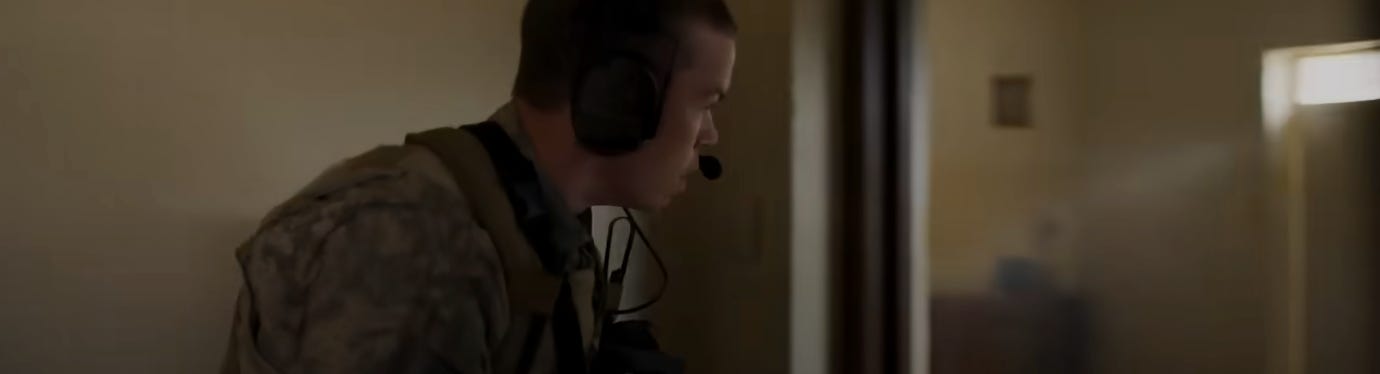
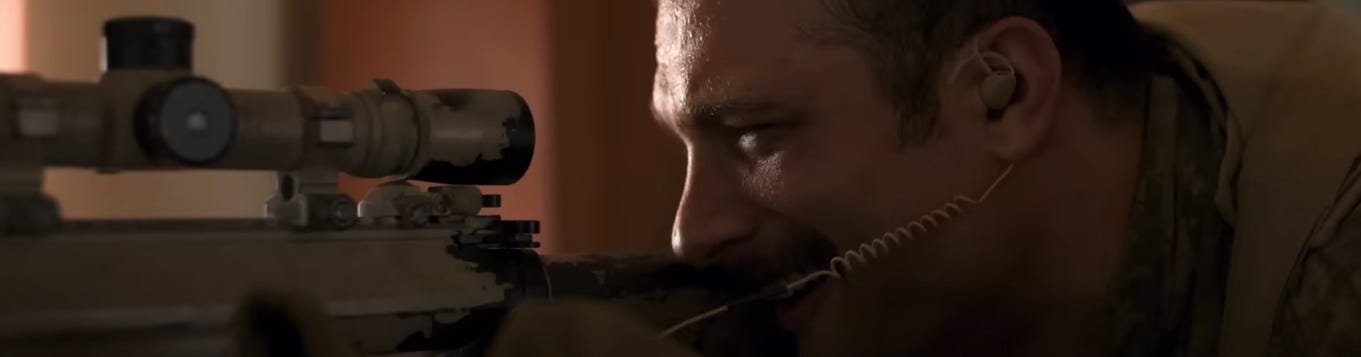
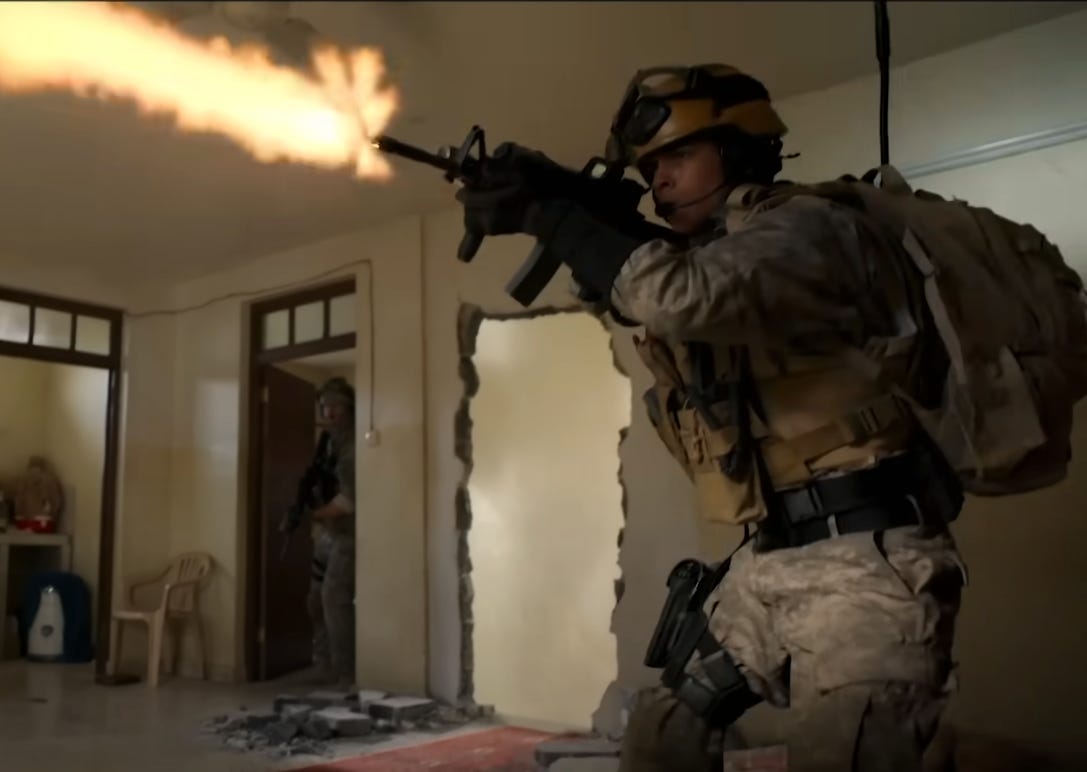
WARFARE follows a platoon of Navy SEALS into a surveillance mission gone wrong - they break into a house in the dead of night, waking the residents and taking up positions across the street from a hotbed of insurgent activity. Tension builds as they wait into the next day, watching Iraqis get wise to their location and call over the loudspeaker for Jihad and death to the Americans. It’s not going to be easy.
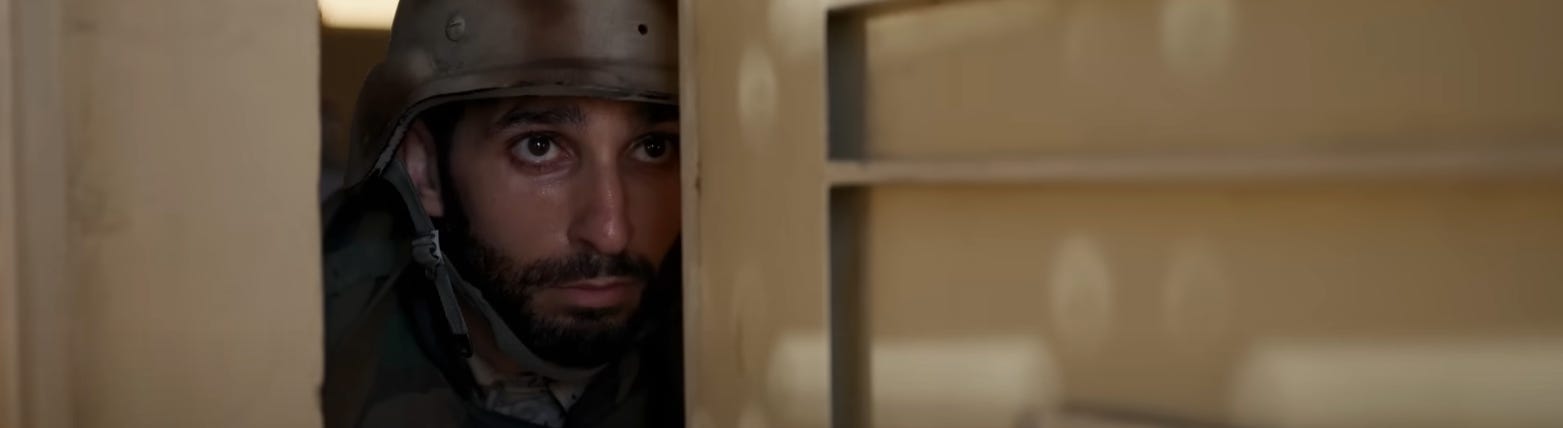
No spoilers - I want you to watch it without knowing too much. But it has a quiet intensity that builds tension in the first half that gets cranked up to 11 for the resolution.
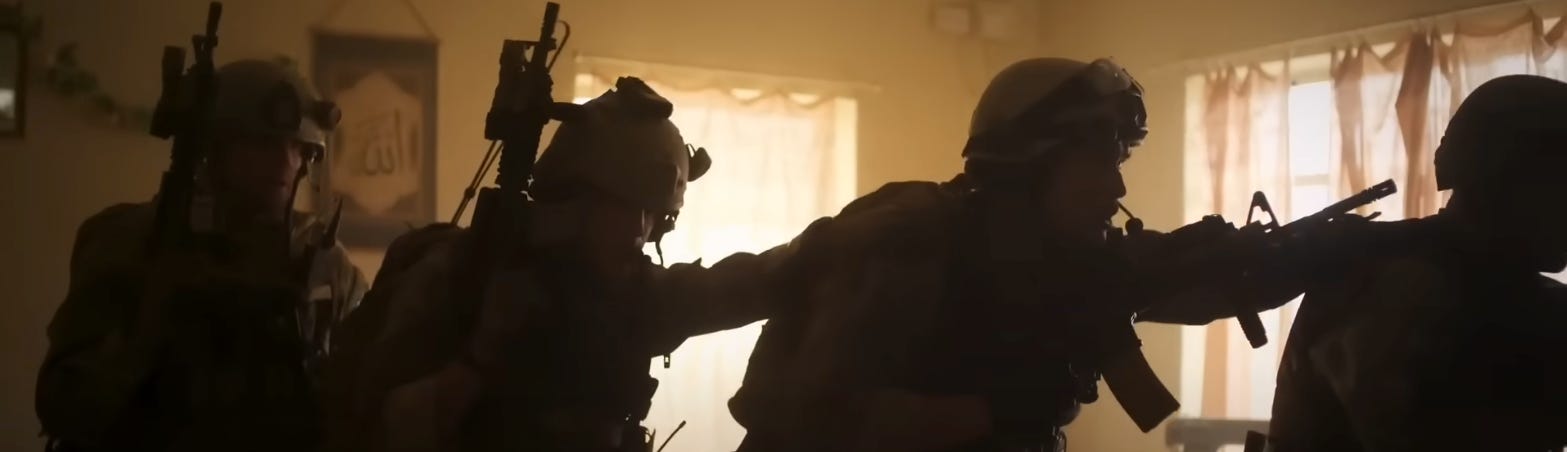
Strictly fact based, the film is about the soldiers’ memories, and the director embraced how some might forget details like the presence of the family in the house they invaded. Speaking with PBS News, Mendoza said that stitching together the memories of the people who were there “was a bit tricky, actually,
because memories under stress…your recollection of it may be different than mine…And so, a lot of times, we would need like a tiebreaker. If someone says, no, I put the tourniquet on, if another person says no, I did it.”
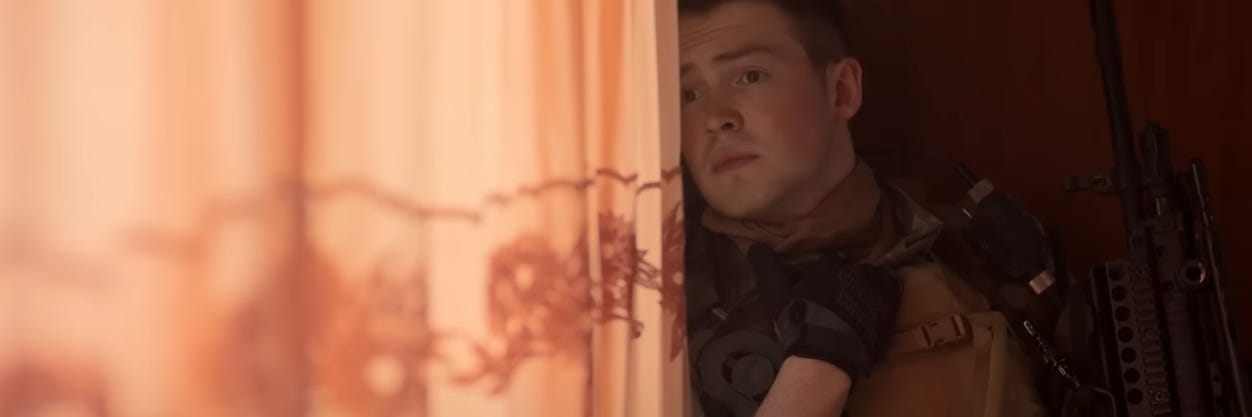
War films, like the gangster genre, have a dangerously seductive element. Young boys will turn anything into a gun - a stick, a hair dryer, their index finger. Violence and madness are baked into our DNA. Testosterone can be a motherfucker.
Same with hubris.
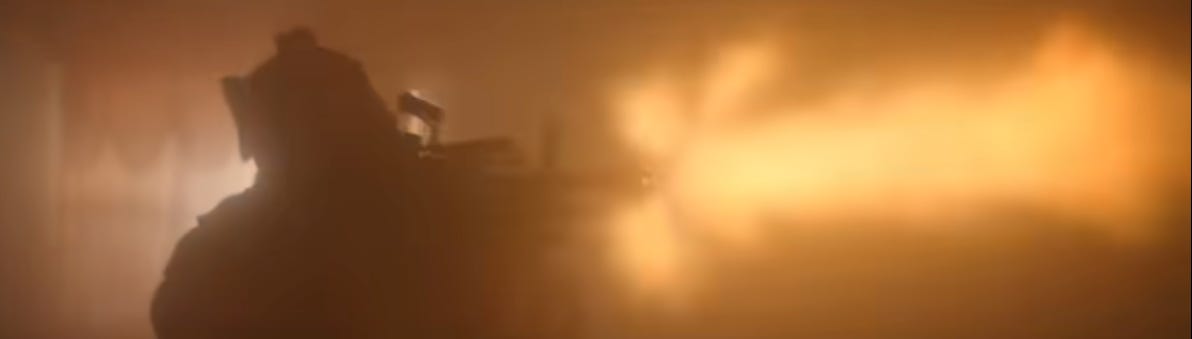
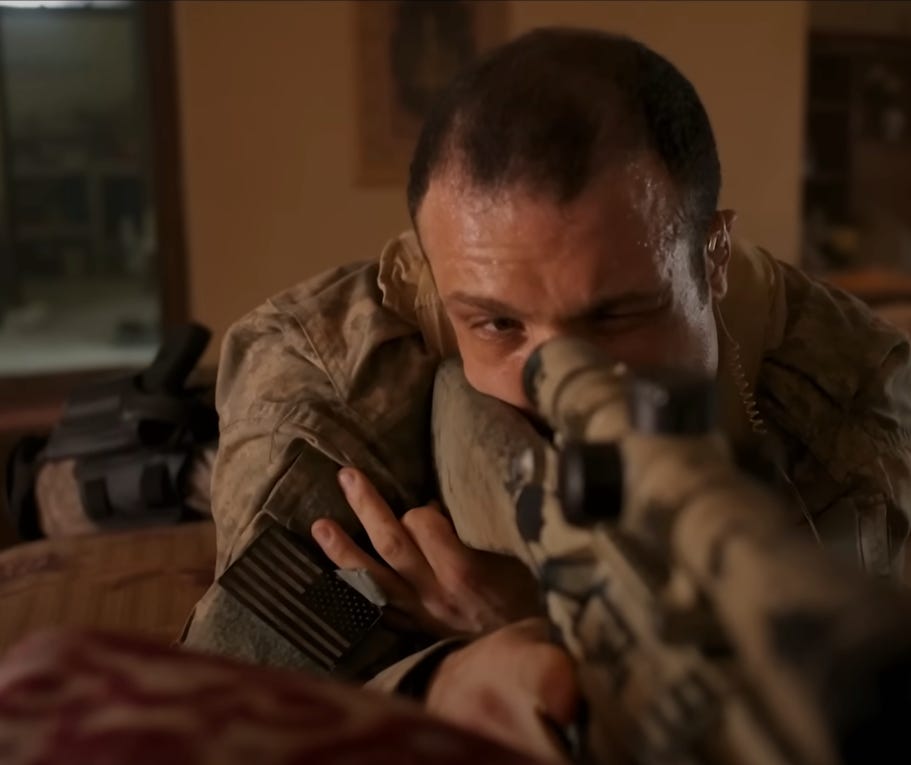
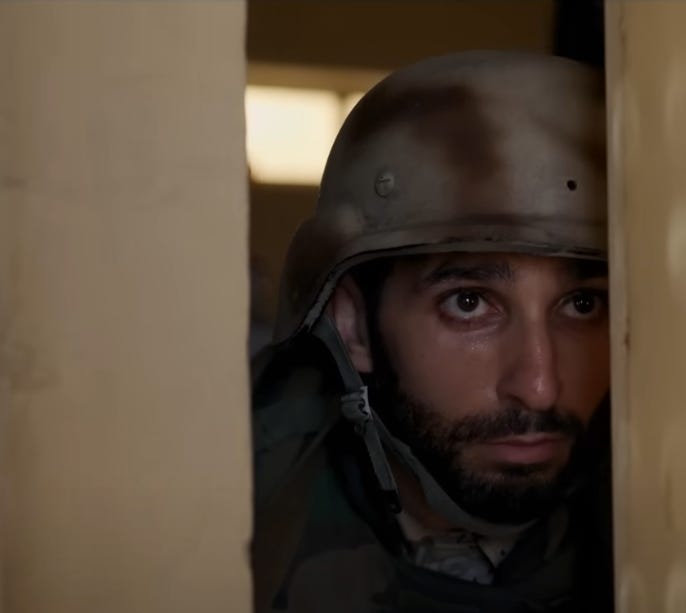
The filmmakers take the single-location limitation and turn it to their advantage by inviting the audience onto the team for one mission. We get to be a fly on the wall, and it is inspiring to watch the camaraderie and teamwork that gets them out alive. We sit with them and their decisions, wondering what the correct response could be.
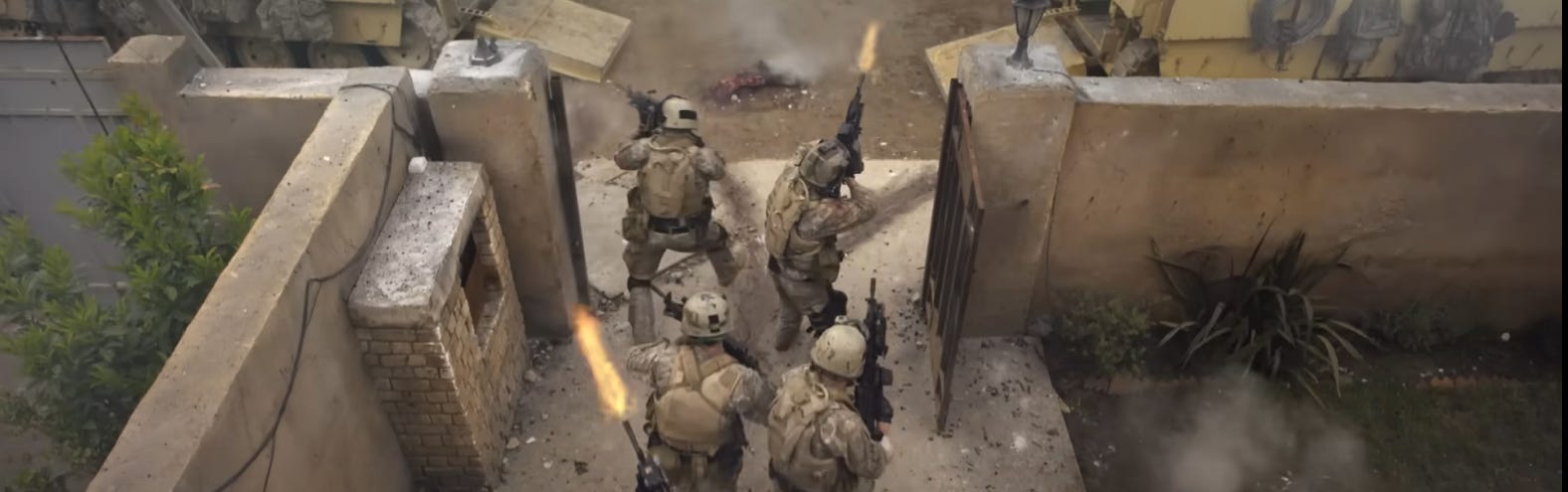
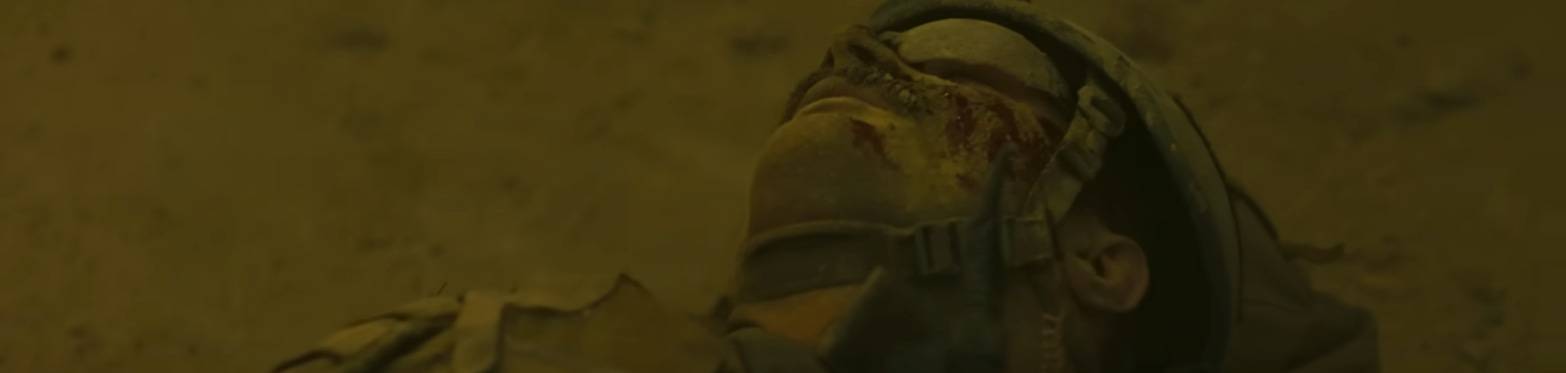
The camera-work is active and adds to the nervous energy but doesn’t announce itself with unnecessary jostles.
The lens is always in the right place for emotional impact, moving between the men as they communicate in code and change battle plans in real time. The details add to the intensity and take you into their world for a day.
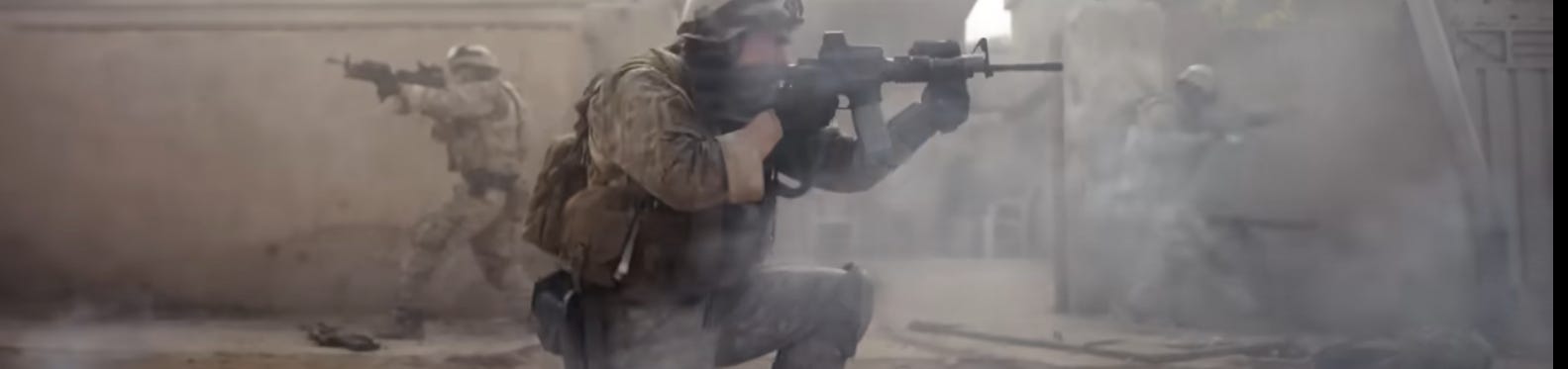
With the powerful closing shot, the film asks the audience to question what it was all for. What did we get from this war? Did it make Americans safer? Did it advance our interests in the world?
Many of the troops live to fight another day, but so do the insurgents.
“Those who can make you believe in absurdities can make you commit atrocities.” -Voltaire
PBS Interview with WARFARE co-director Ray Mendoza:

This is a great post. Makes me want to see the movie. War is always hell, but when guys are strangers in strange land under morally messed up circumstances, it’s even worse.
Thank you for your review Mr. Allen! I always appreciate hearing your personal perspective on the Iraq War and I find it refreshing to speak to someone who actively monitored the conflict as it was unfolding. Additionally, I agree with your note about the camera work not being too distracting-- it was a nice deviation from what is typically an overwrought trope in war cinema. The end quote is particularly moving and validates many of my concerns with our current world. I look forward to your thoughts on other films in the future!